

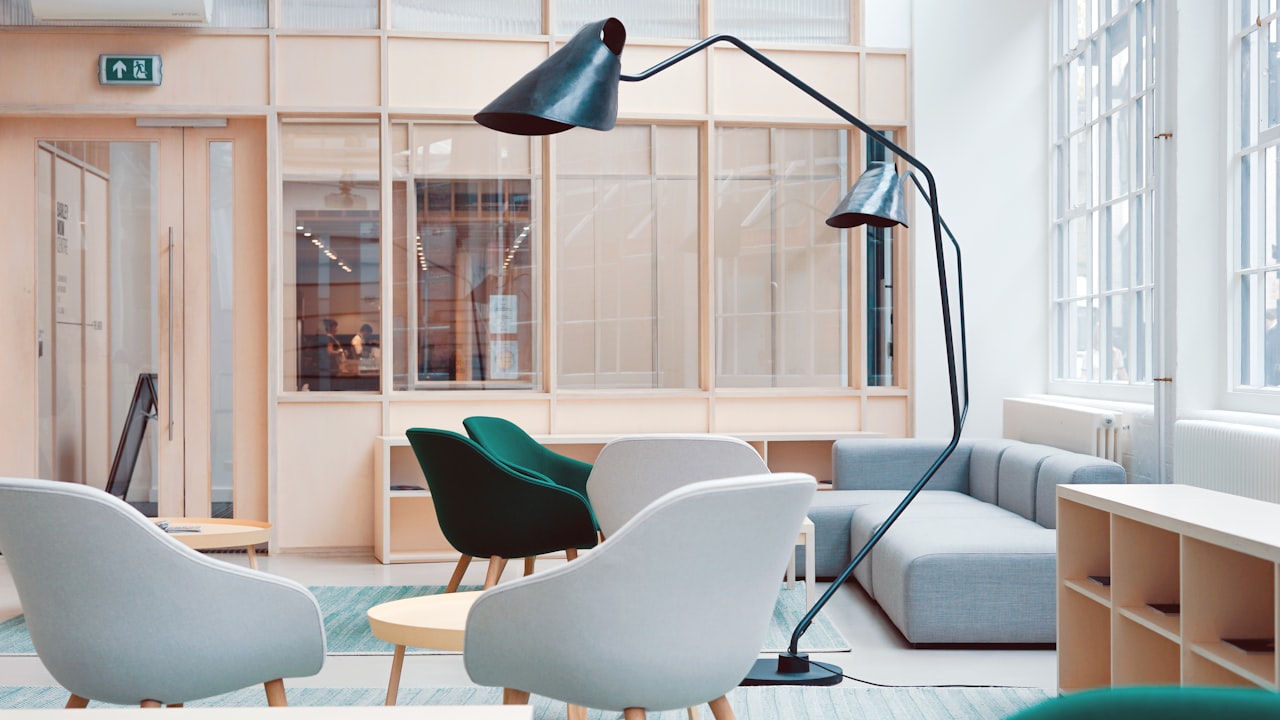
What a café or restaurant fit-out really costs in Amman
Amman's café scene has never been busier — from Jabal Al-Weibdeh's specialty coffee corners to the polished restaurants of Abdoun and Sweifieh. Yet almost no one publishes honest numbers on what it takes to open. After years of building these spaces in our own workshop, here is where the money actually goes in 2026.
For a turnkey fit-out — meaning design, finishes, joinery, and MEP (mechanical, electrical, plumbing) delivered ready to trade — plan on these bands per square metre:
- Simple specialty coffee bar: 300–450 JOD/m². Compact footprint, limited kitchen, strong on counter and lighting.
- Mid-range café: 450–700 JOD/m². Full seating, decent HVAC, custom joinery, a proper service line.
- Full-service restaurant: 700–1,200+ JOD/m². Heavy kitchen, extraction, grease management, and higher-grade finishes.
For a 100 m² café, that is roughly 45,000–70,000 JOD for the interior alone. Two big items usually sit outside that rate and surprise first-time owners: commercial kitchen equipment (typically 15,000–50,000+ JOD depending on menu) and any structural or shell changes if the unit was not previously food-use.
Where the rate quietly climbs
HVAC is the silent budget line in Amman. Summers are hot and dry, winters genuinely cold, so a café that feels comfortable year-round needs properly sized cooling and heating — not an afterthought. Kitchen extraction, a compliant grease trap, and fresh-air make-up for enclosed basements push restaurant costs well above café ones.
The licensing sequence — and why it sets your timeline
In Amman, the works and the paperwork run in parallel, and the paperwork is what most often delays an opening. The typical sequence through Greater Amman Municipality (Amanat Amman) and other bodies looks like this:
- Professions licence (رخصة مهن) from the municipality for the café/restaurant activity.
- Health approval covering food handling, surfaces, and hygiene provisions.
- Civil Defence (الدفاع المدني) certificate — fire extinguishers, emergency exits, kitchen suppression, and extraction sign-off.
- Signage permit for any exterior sign or facade branding.
- Tourism classification from the Ministry of Tourism for restaurants in the tourist category.
- Change-of-use / finishing permit if you are altering a non-food shell.
The practical lesson: design the fit-out to pass inspection the first time. Exit widths, extinguisher placement, extraction routing, and accessible toilets should be in the drawings from day one — reworking them after a failed Civil Defence visit is the most expensive delay there is.
How long it takes
A realistic Amman timeline, from signed drawings to opening day:
- Small coffee bar (40–60 m²): 5–8 weeks.
- Mid-range café (80–150 m²): 8–12 weeks.
- Full restaurant (150 m²+): 12–20 weeks.
Negotiate a rent-free fit-out period into the lease — two months is common in Amman — so construction and licensing do not eat into trading rent. Bespoke joinery built in a workshop runs alongside the site works rather than after them, which is where an in-house shop shortens the overall programme.
Designing the flow: kitchen, service, and seating
Profit lives in the layout. Three zones have to work in sequence: the kitchen/prep, the service line or bar, and the seating. Deliveries and waste should never cross a guest's path. The barista or service station wants a clear line of sight to the door so staff greet without leaving the counter.
Seating density and the Amman factor
Aim for roughly 1.2–1.5 m² per cover in a café and 1.5–1.8 m² in a restaurant — tighter feels cramped, looser wastes the rent. Because Amman weather rewards it, an outdoor terrace or a retractable frontage can add high-margin seats for much of the year; just design the threshold, shading, and heating so the terrace works in both July heat and January cold.
Bar counters and joinery: where a workshop earns its keep
The counter is the single most photographed object in any café, and it takes the hardest daily wear. This is exactly where owning a carpentry workshop changes the outcome. We build bespoke bar counters and service stations to the millimetre — engineered-stone or solid-surface tops that resist coffee, citrus, and heat, over oak or walnut-veneer bodies with integrated cabling, waste chutes, and under-counter refrigeration cut-outs.
Made-to-measure joinery also solves the awkward Amman realities: out-of-square walls in older Weibdeh buildings, columns that landlords will not move, and the need to squeeze storage into every void. A bespoke bar counter typically runs 1,500–4,000+ JOD depending on length and material — but it lasts years longer than a flat-pack unit and reads instantly as a serious brand. The same shop produces the menu boards, shelving, banquette frames, and door details that give a space one coherent identity.
What pushes your budget up or down
- Menu complexity: a full kitchen with extraction can double a coffee-led budget.
- Shell condition: an ex-food unit with existing plumbing and grease provisions saves thousands.
- Finish level: microcement, terrazzo, and engineered stone cost more than paint and tile but photograph and wear far better.
- Speed: compressed programmes mean overtime and premium lead times.
Planning your Amman café fit-out
The projects that open on time and on budget are the ones where design, licensing, and joinery are coordinated by a single team from the first sketch. If you are costing a café or restaurant in Amman, start with a measured survey and a realistic scope, then let the drawings carry you cleanly through Civil Defence and the municipality. Talk to our team for a scoped estimate on your unit.